Acupuncture & Sports Recovery

Acupuncture for Sports Injuries in Amsterdam

That running injury that comes straight back after weeks of rest. A tennis elbow that just won't quit. A shoulder you no longer dare to load fully. Lily Chen treats sports injuries with traditional Chinese medicine — focused on faster recovery and on the reason the injury happened in the first place.

15+ years of experience Covered by insurance Zhong & S.C.A.G registered
Sports Injuries & TCM

Why sports injuries keep coming back — and how TCM looks at it differently

The standard advice for a sports injury is rest, ice and painkillers. That dampens the pain, but rest alone doesn't heal the tissue — especially not tendon tissue, which naturally has a poor blood supply. That's why an injury often feels fine after six weeks of rest, until you start training again and the pain is back within two sessions. The tissue was quiet, not healed.

From a TCM perspective, an injury is a place where Qi and Blood are stagnating: circulation is disrupted, so the tissue doesn't get enough nourishment to heal. Acupuncture restores that circulation — locally at the injured site and via points elsewhere on the meridian. And just as important: Lily looks at why that particular spot got injured in the first place. An Achilles tendon that keeps getting overloaded, or a shoulder that keeps seizing up, often points to a deeper pattern of tension or weakness. By treating that too, the chance of it coming back is reduced.

The treatment

How acupuncture treats sports injuries

Pain relief & circulation

Needles in and around the injured area stimulate local blood flow and the production of the body's own painkillers (endorphins). For tendons and ligaments especially — tissue that heals slowly because of limited blood supply — this makes the difference between months of struggling on and steady recovery.

Trigger points & muscle tension

Much sports pain doesn't come from the injury site itself, but from hardened muscle knots (in TCM: Ashi points) that form around it. Lily treats these trigger points with needles and adds cupping or gua sha where useful to release tight, stuck muscle layers — for example with stubborn calf, hamstring or shoulder complaints.

Preventing the injury from coming back

An injury that keeps recurring has a cause beyond the injury site itself: a pelvis that loads unevenly, chronic tension in the back, or an underlying weakness in the body. During the intake, Lily examines your whole movement pattern and treats that too — so you're not back with the same complaint every three months.

Conditions

Which sports injuries do we treat?

Tennis elbow & golfer's elbow Achilles tendon pain Running injuries & shin splints Knee pain & jumper's knee Sprained ankle & ligament injuries Hamstring injury Groin injury Calf pain & calf strain Shoulder injuries & rotator cuff Frozen shoulder Tendinitis (tendinopathy) Muscle strain & muscle tear Chronic pain from an old injury Overuse from training

Not sure whether acupuncture suits your injury? Get in touch — Lily is happy to advise, free of obligation.

Your treatment plan

What to expect at Tianyi

First consultation & intake (85 min)

Lily examines not just the injury itself, but how it happened: your sport, training load, posture and previous injuries. Based on this, she identifies where circulation is disrupted and what underlying pattern is contributing. You receive your first treatment right away.

Follow-up treatments (60 min)

Acute injuries often respond quickly: 3–5 weekly treatments. Chronic complaints such as a lingering tendinitis or an old injury usually need 6–10 sessions. Many athletes notice the pain easing and their capacity to train increasing after just 2–3 treatments.

Combination where needed

For hardened or stuck muscles, Lily adds cupping or gua sha; for chronic, "cold" injuries that heal poorly, moxibustion can support recovery. Acupuncture also combines well with physiotherapy — many patients do both alongside each other.

Return to sport & prevention

Lily advises on when and how to build training back up. Many dedicated athletes then choose a maintenance session during heavy training periods or competition preparation, to stay ahead of overuse.

Pricing

Treatment duration & cost

Session Duration Price
First visit (incl. consultation & treatment plan) 85 min €100
Follow-up treatment 60 min €90
Extended session 90 min €105

Add-ons: Add cupping · +€15  |  Add gua sha · +€15

✓ Reimbursed by most Dutch supplementary insurance plans — Zhong NVTCG & S.C.A.G registered. Simply submit the invoice to your insurer after treatment. More about insurance →

Your practitioner

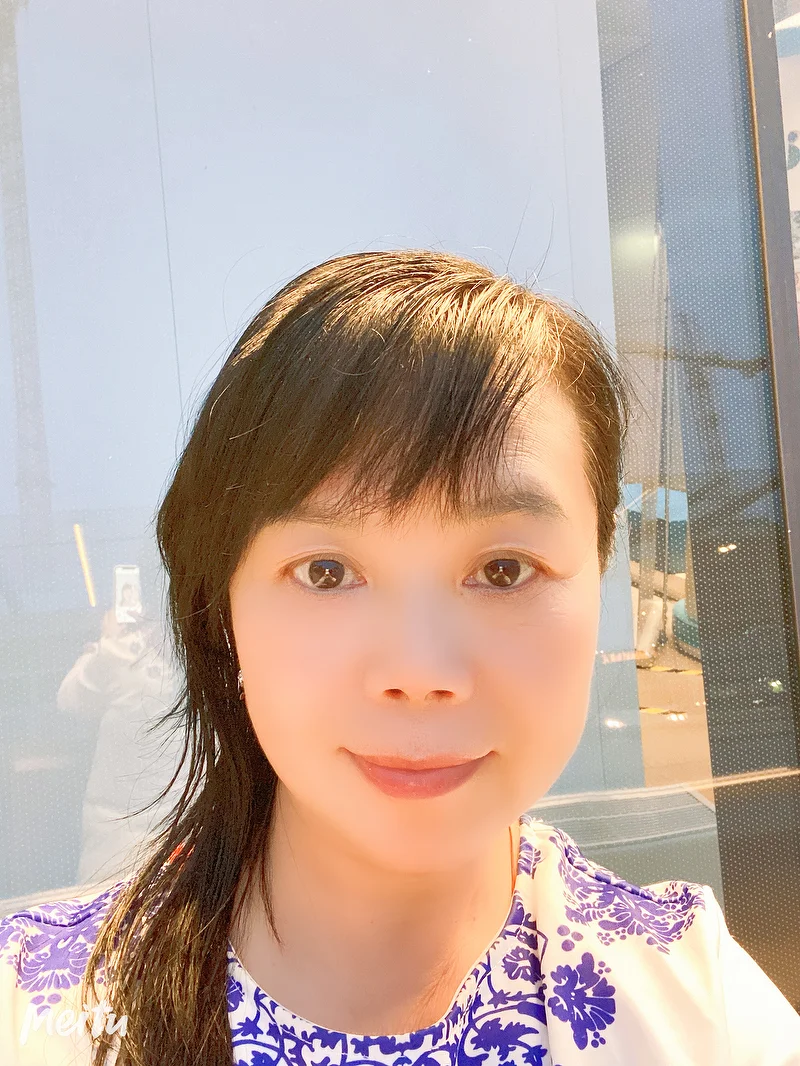
Lily van Wijngaarde-Chen

Lily van Wijngaarde-Chen — Acupuncturist & TCM specialist
15+ years of clinical experience with musculoskeletal complaints and injuries
Specialised training under Dr. Cong Zhang — specialist in chronic pain
Zhong NVTCG & S.C.A.G registered
Extensive experience with tendon, muscle and joint injuries — from runners to strength athletes
More about Lily →
Reviews

What athletes say about treatment at Tianyi

★★★★★ 4.9

511 reviews on Google

★★★★★

"After months of trouble with my Achilles tendon, Lily's treatments got me running pain-free again. The combination of needles and cupping worked where rest hadn't."

— M. Bakker, Amsterdam
★★★★★

"My tennis elbow had been nagging for almost a year. After five sessions the pain was almost gone. Lily really took the time to look at where it came from, not just where it hurt."

— J. de Groot, Amsterdam
★★★★★

"As a CrossFitter, I kept running into the same shoulder problem. Lily treated not just my shoulder but also the tension in my back that was causing it. I've been training without a relapse ever since."

— T. Visser, Amsterdam
FAQ

Frequently asked questions about acupuncture for sports injuries

Does acupuncture really work for sports injuries?

For pain reduction and recovery from muscle and tendon complaints, acupuncture is well researched — clinical studies show consistently positive results, particularly for tennis elbow, knee pain, shoulder complaints and chronic tendinitis. Acupuncture doesn't repair a fully torn tendon or a broken bone, but it does speed up tissue healing and reduce the pain that gets in the way of loading it.

How many treatments do I need for a sports injury?

This depends on how long the injury has existed. Acute injuries (less than six weeks old) often respond within 3–5 treatments. Chronic complaints, such as tendinitis that's been going on for months, usually need 6–10 sessions. During the intake, Lily gives you a realistic estimate for your specific injury.

Can I keep exercising during treatment?

Usually yes, in an adapted form. For most injuries, complete rest actually isn't ideal — tissue heals better with carefully dosed loading. Lily advises what's sensible at each stage: what you can keep doing, what to hold off on for now, and when you can build back up to your normal level.

Can acupuncture be combined with physiotherapy?

Yes, and the combination often works well: acupuncture reduces pain and improves blood flow, which makes the physiotherapist's build-up exercises easier to tolerate. Let Lily know at intake about any physiotherapy you're currently doing, and she'll tailor the treatment accordingly.

Is treatment covered by my Dutch health insurance?

Yes, under most supplementary (aanvullende) insurance plans. Tianyi is Zhong NVTCG & S.C.A.G registered. After each treatment you receive an invoice with an AGB code to submit for reimbursement.

When should I see my GP (huisarts) before trying acupuncture?

If you suspect a bone fracture, a fully torn tendon or muscle, a joint that feels unstable or can no longer bear weight, or severe swelling right after the injury — have this assessed by your GP or the emergency department first. Acupuncture is suitable for muscle, tendon and joint complaints where serious structural damage has been ruled out, and for recovery after such a diagnosis.

Ready to get back to pain-free sport?

Book an appointment today. Your first session is always a getting-to-know-you visit — including intake and a personal treatment plan.